The twelve years between the Treaty of Passarowitz in 1718 and the Patrona Halil revolt in 1730 are known in Ottoman history as the Tulip Era (Lale Devri). After long wars, this period of peace brought Istanbul gardens, pavilions, festivities and new ideas. The name itself was given later, at the beginning of the 20th century.
Ahmed III and Damat İbrahim Pasha
The era had two protagonists: Sultan Ahmed III and his son-in-law, Grand Vizier Nevşehirli Damat İbrahim Pasha, who held office from 1718 to 1730. İbrahim Pasha preferred diplomacy to war and sent envoys to get to know Europe at first hand.
Why tulips?
The tulip was already a beloved motif in Ottoman decorative art, but in this period the interest became a passion. New varieties were bred and given their own names, and rare bulbs sold for very high prices. At tulip festivals on spring nights, the gardens are said to have been lit with candles.
An envoy in Paris
In 1720 Yirmisekiz Mehmed Çelebi was sent to Paris as ambassador. In his Sefaretname (embassy report) he described French palaces, gardens and daily life in detail. The Sadabad Palace at Kağıthane and the pavilions around it bore traces of these impressions.
The first Ottoman printing press
Perhaps the most lasting innovation of the Tulip Era was printing. In 1727 İbrahim Müteferrika received permission to found the first press printing books in Ottoman Turkish. Its first book, the dictionary known as Vankulu Lügati, appeared in 1729.
Nedim and Levnî
The spirit of the age is best captured by a poet and a painter. The poet Nedim wrote verses about Istanbul, Sadabad and the pleasures of life. The miniaturist Levnî painted the people, costumes and festivities of the time in vivid colours.
An abrupt end
In 1730 bad news from the Persian front and rising prices in Istanbul fuelled the anger of the people and the Janissaries. In the revolt led by Patrona Halil in September 1730, Damat İbrahim Pasha was killed, Ahmed III was deposed and Mahmud I took the throne. The pavilions of Sadabad were also targeted by the rebels.
The Tulip Era was criticised for extravagance and display, yet with the printing press and its window onto Europe it is also seen as the first step of Ottoman reform.
Where to see it today
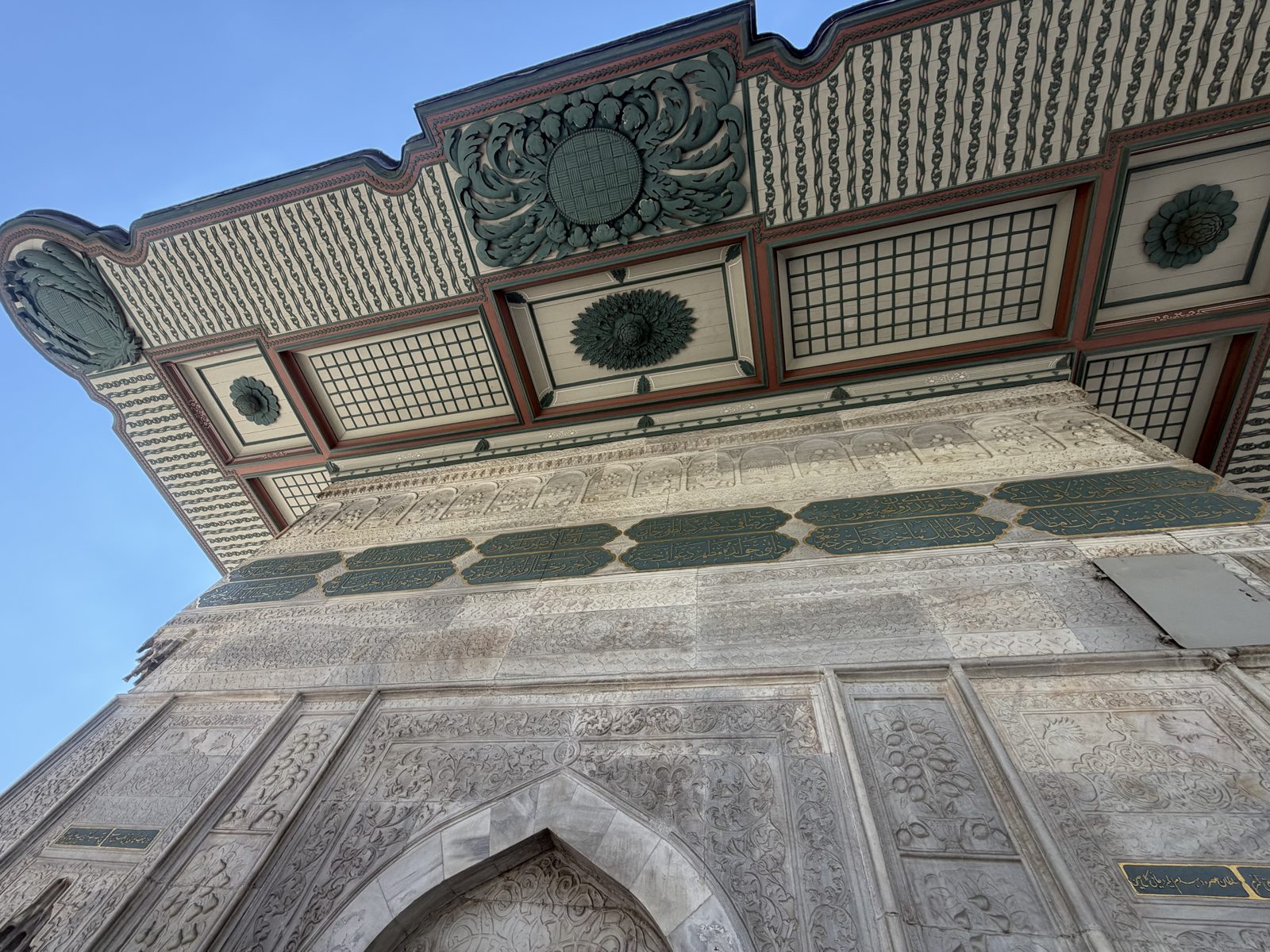
The Fountain of Ahmed III (1728) in front of Topkapı Palace is one of the finest works of the period. The Tophane Fountain (1732), built shortly afterwards, shares the same ornate style. Take a look at it on your way into Topkapı.
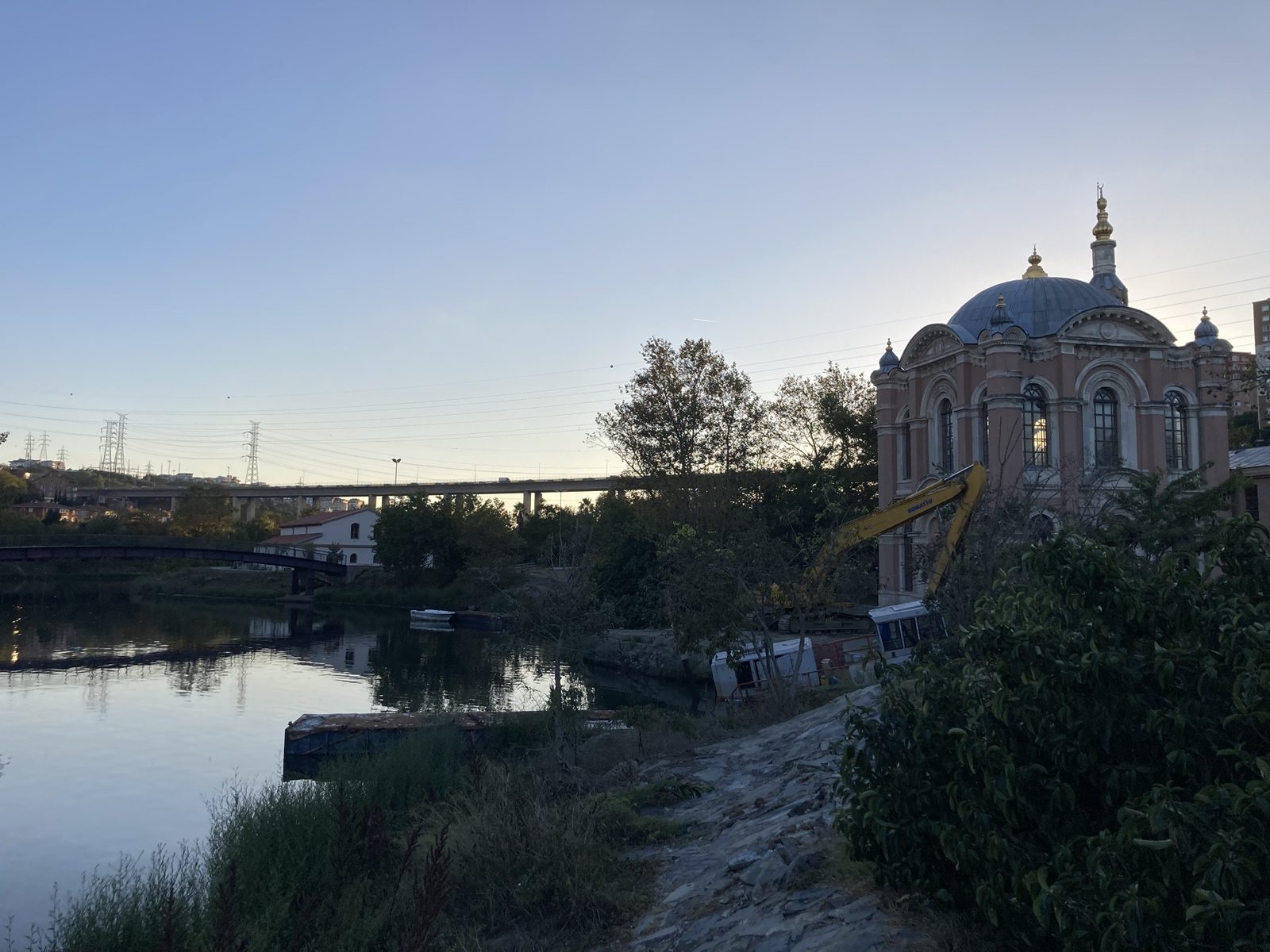
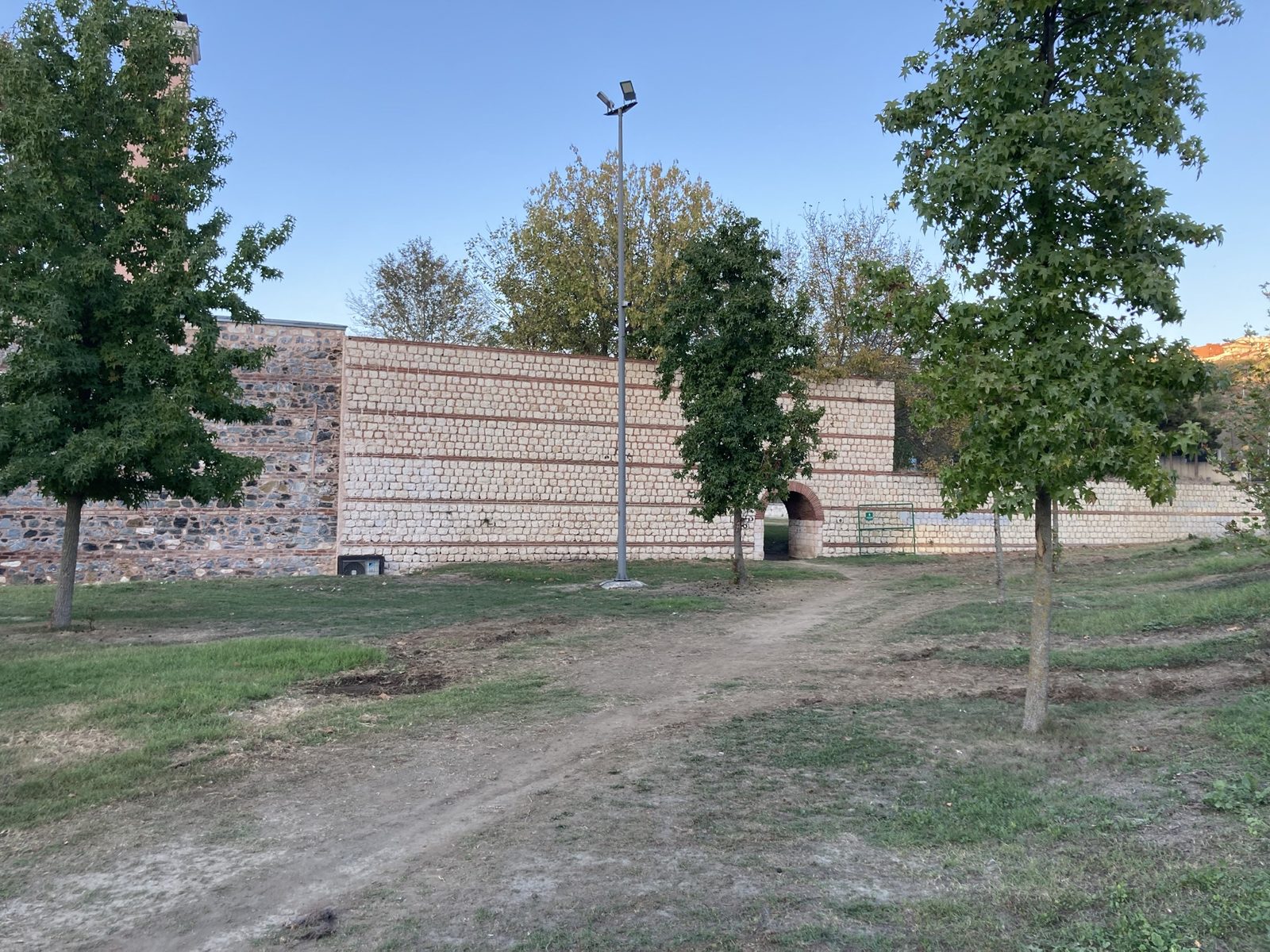
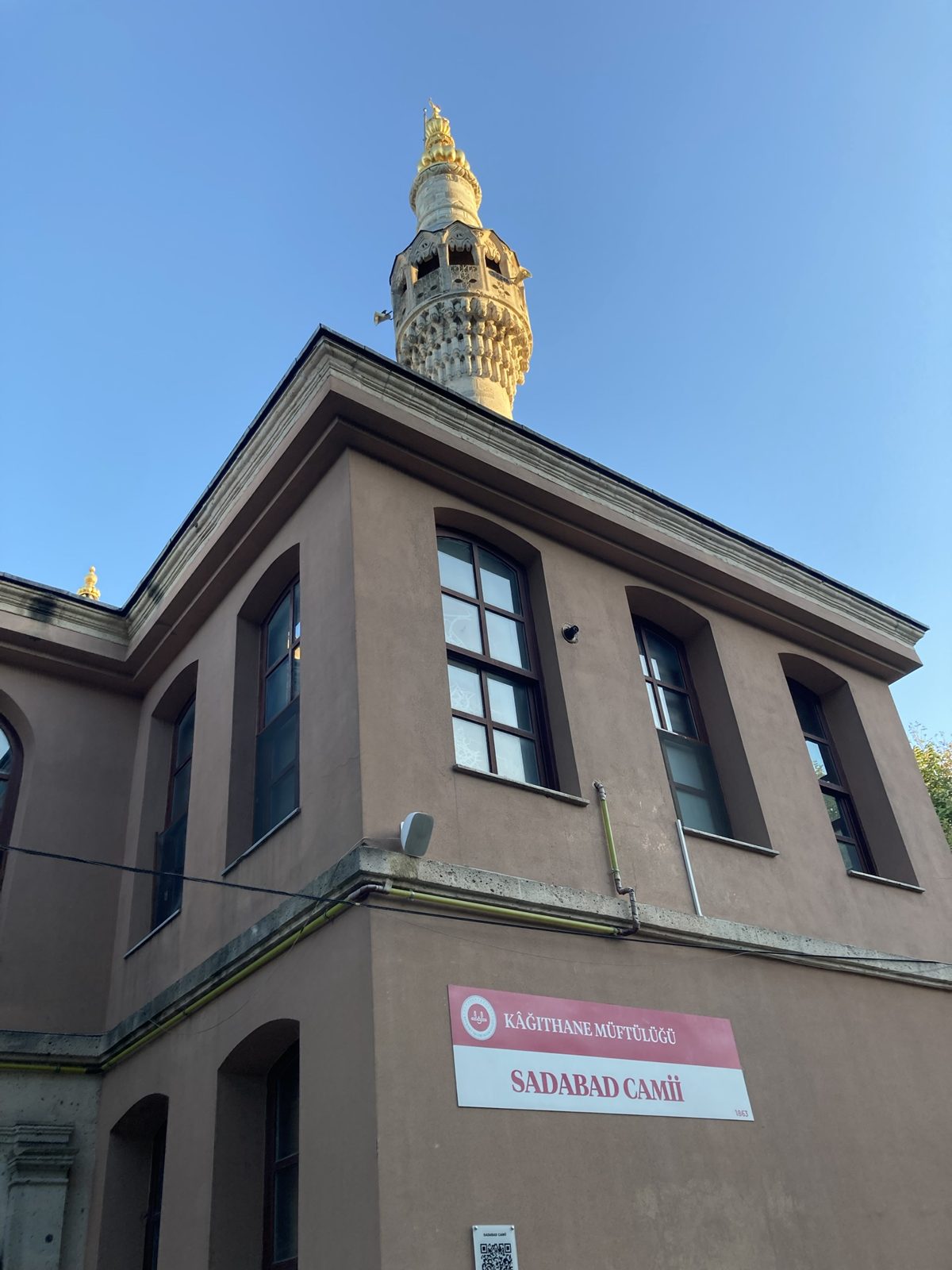
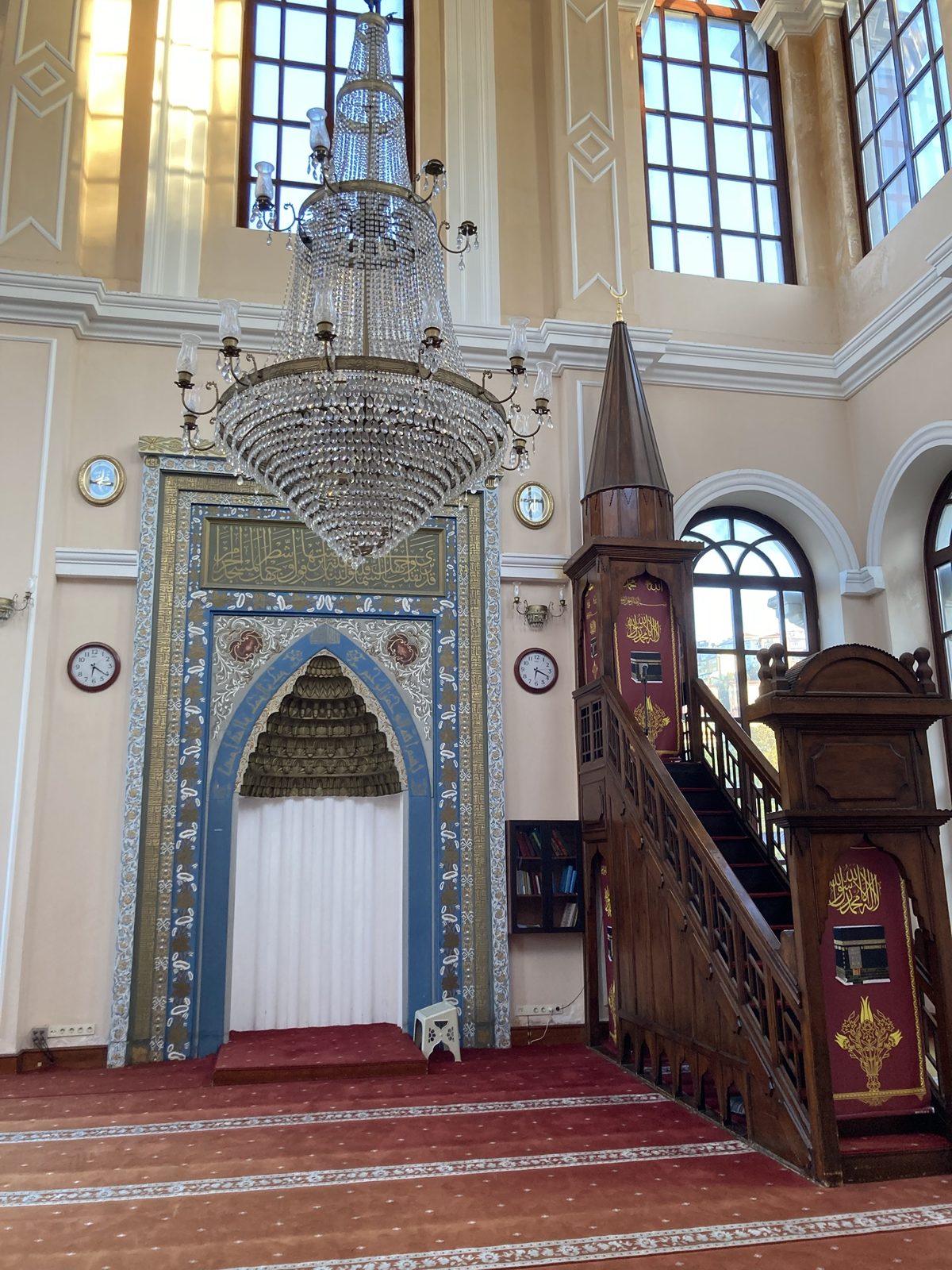
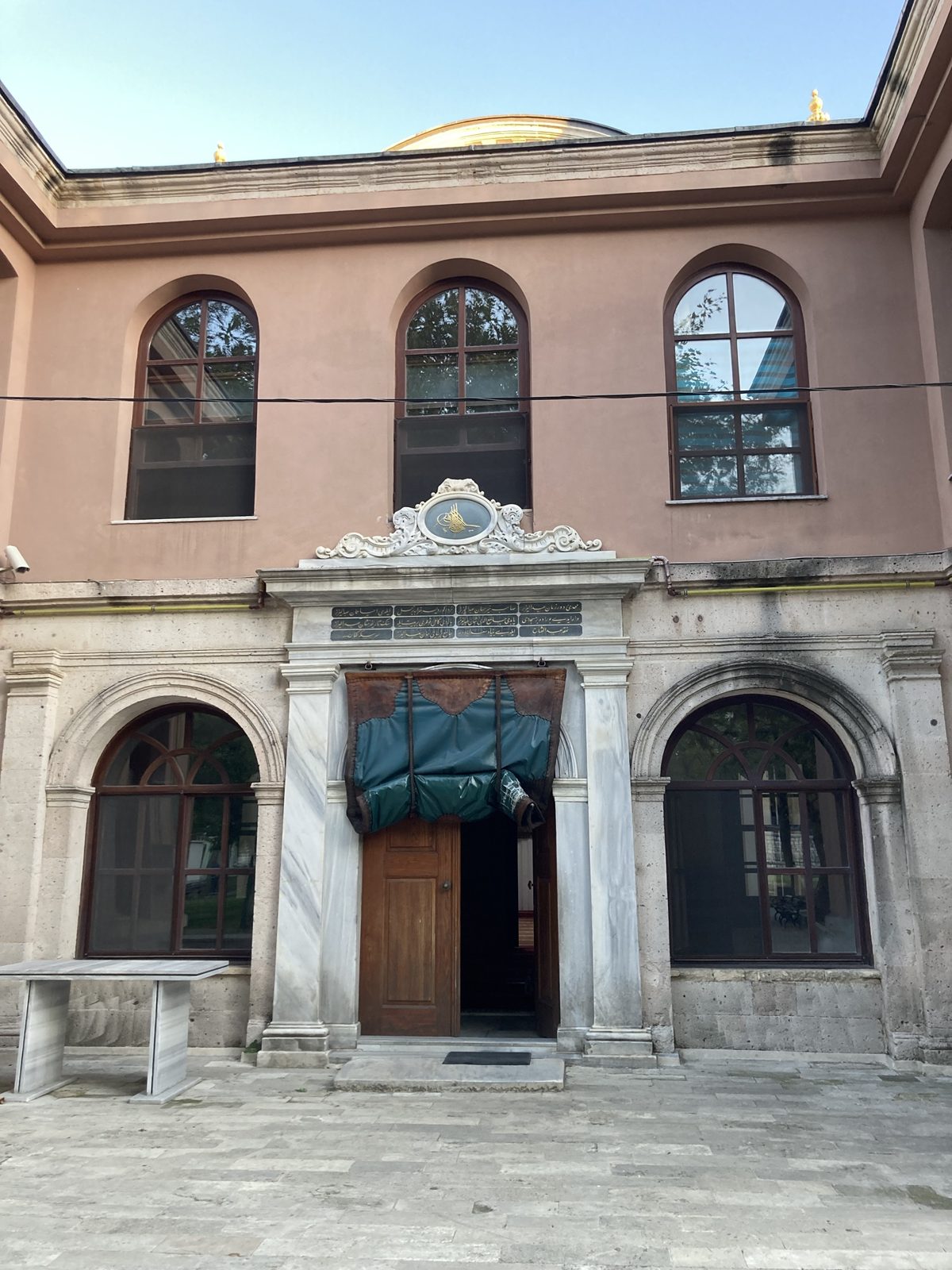
Little remains of the Sadabad Palace today. But on the banks of the Kağıthane stream, in the area where the palace stood, rises the Sadabad Mosque, dated 1863.