Mimar Sinan served as chief architect of the Ottoman Empire for about 50 years, and more than 300 buildings are recorded under his name: mosques, madrasas, bridges, baths and caravanserais. Many of the domes you see on Istanbul’s skyline today are his work.
From Kayseri to Istanbul
Sinan was born in the 1490s in the village of Ağırnas near Kayseri. He was brought to Istanbul through the devşirme system and joined the Janissary corps. On campaign he built bridges, ships and fortifications, gaining his engineering experience.
Chief architect
In 1539 he was appointed head of the palace architects, the mimarbaşı. He held this post until his death in 1588, working for Suleiman the Magnificent, Selim II and Murad III.
Three mosques
According to tradition based on his memoirs, Sinan described his own work like this:
- Şehzade Mosque (Istanbul, 1548): my apprentice work
- Süleymaniye Mosque (Istanbul, 1557): my journeyman work
- Selimiye Mosque (Edirne, 1575): my masterpiece
The dome of the Selimiye is the most mature form of what Sinan pursued all his life: a vast, light-filled interior united under a single great dome.
Where to see his work
Sinan lies in a modest tomb he designed himself at the corner of the Süleymaniye complex. The epitaph, a poem listing his mosques, bridges and aqueducts, was written by his friend, the poet Sâî.
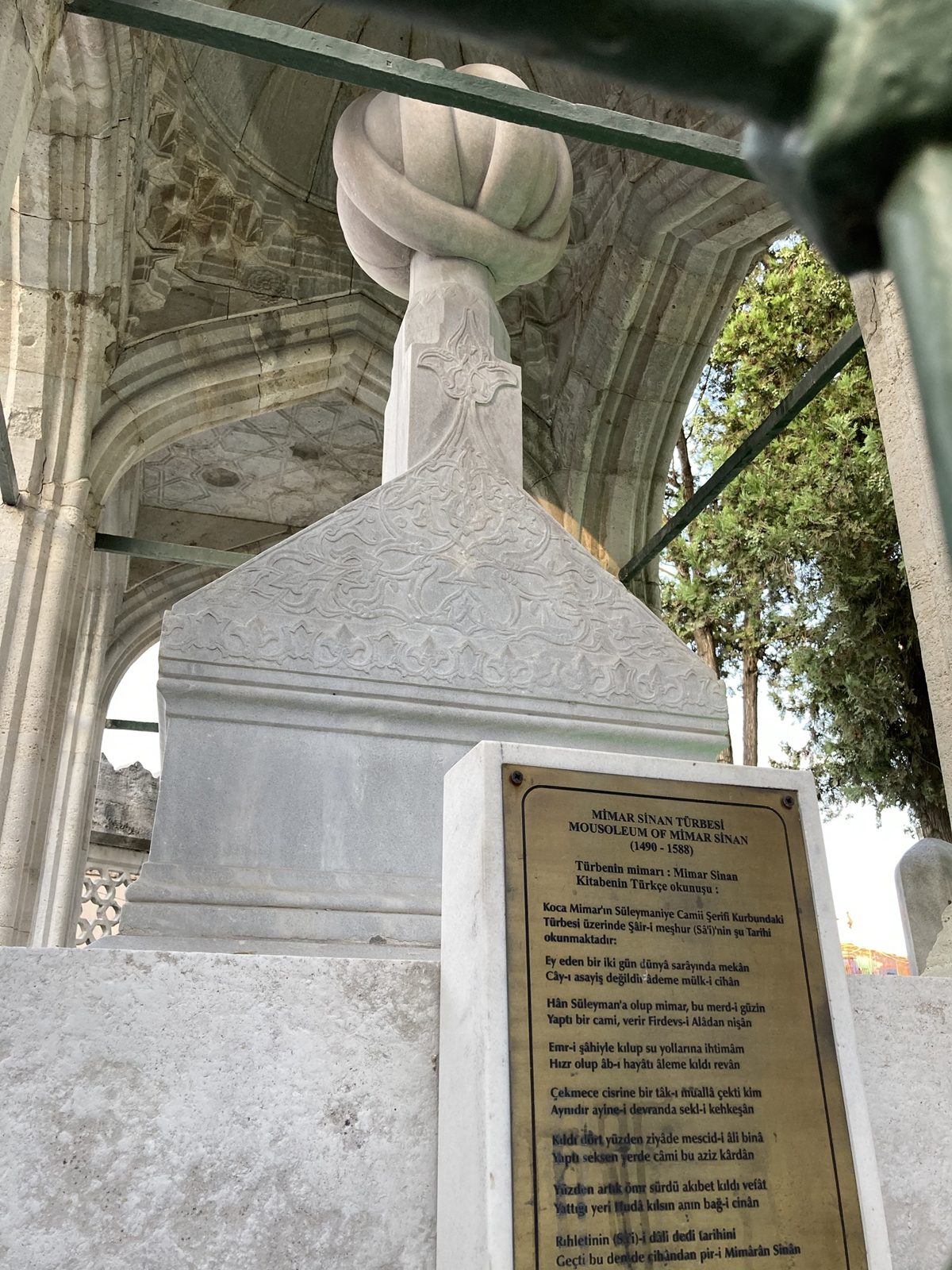
The Süleymaniye is in Istanbul and the Selimiye in Edirne; both are open to visitors today.
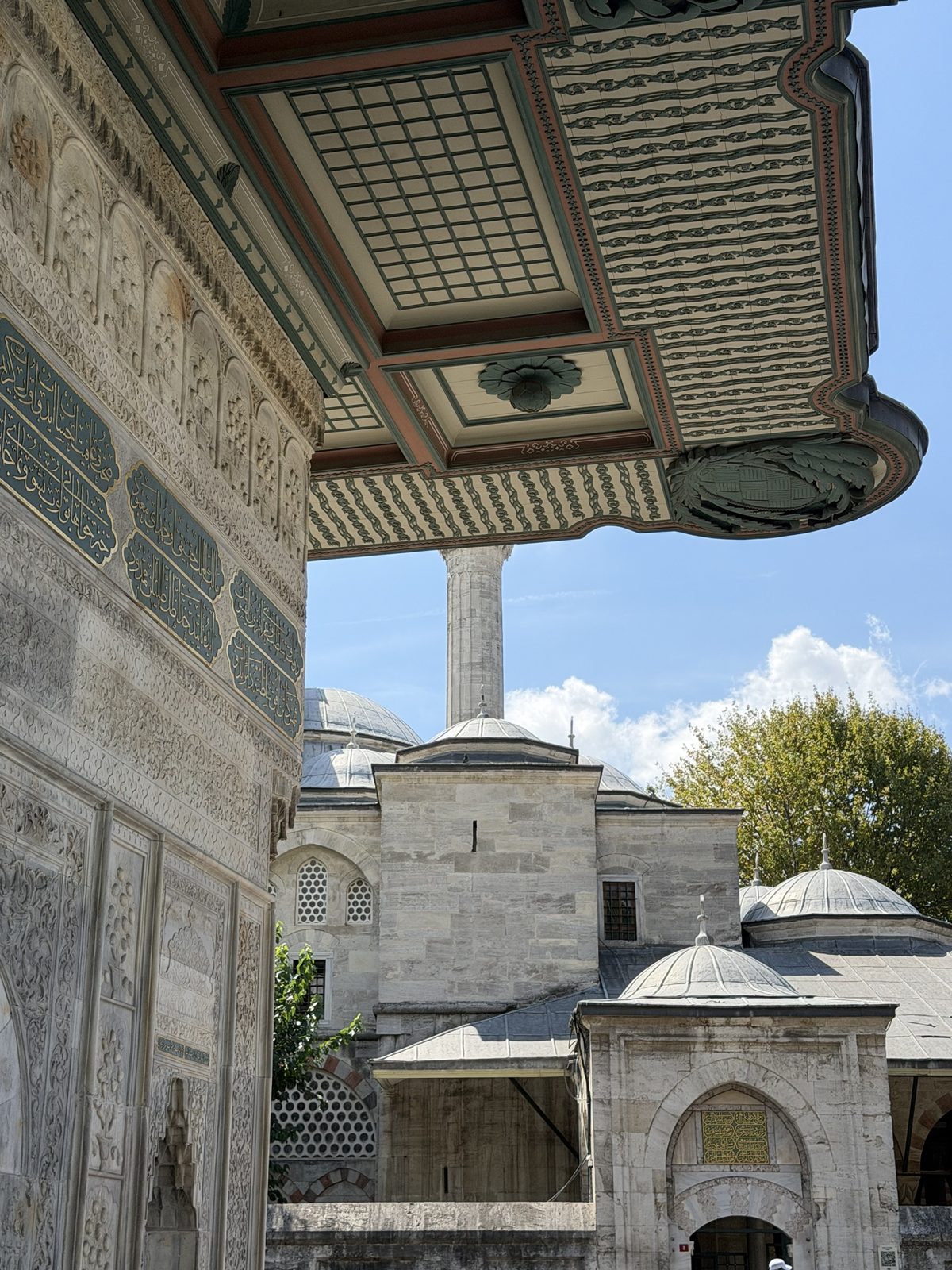
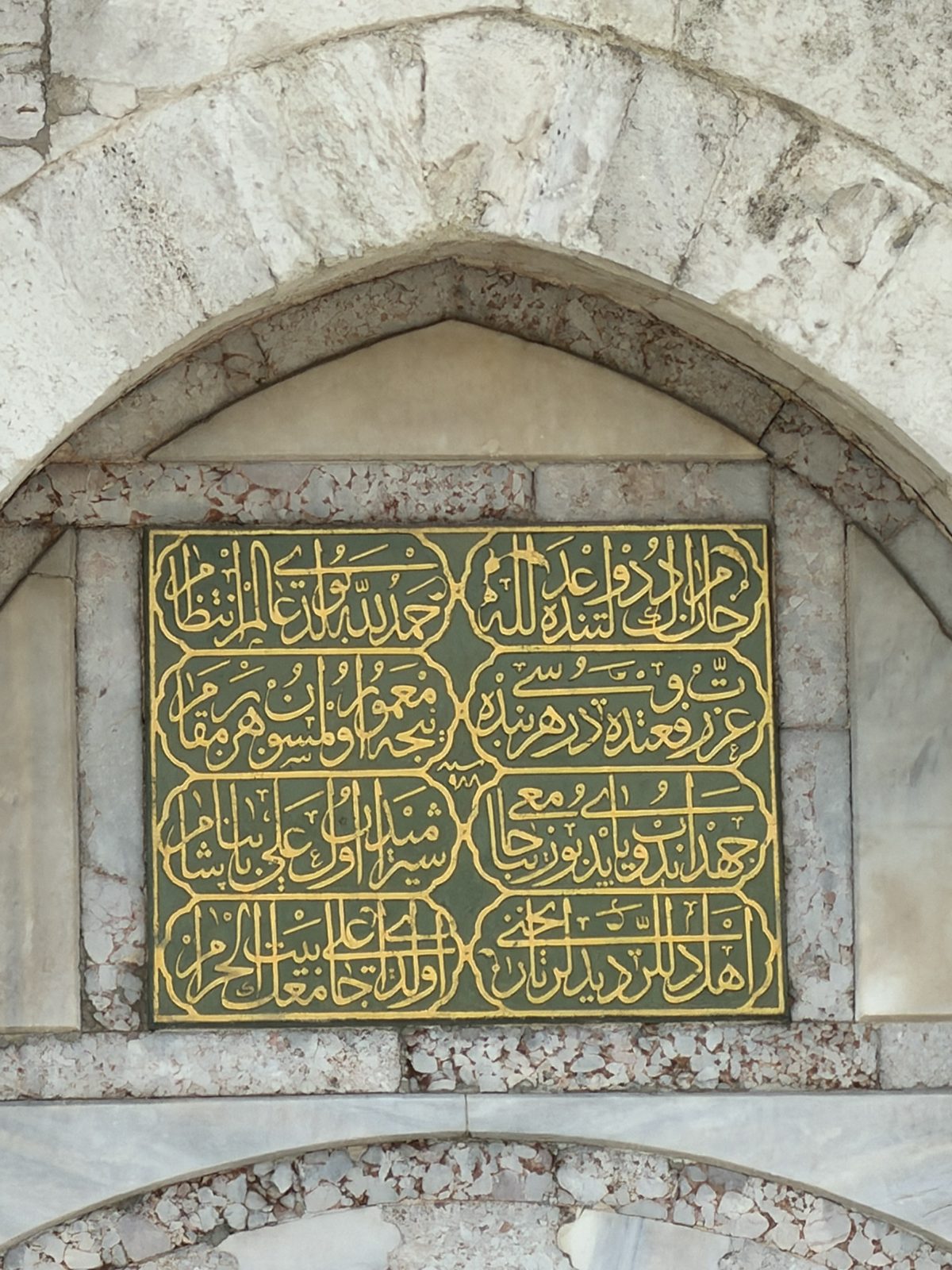
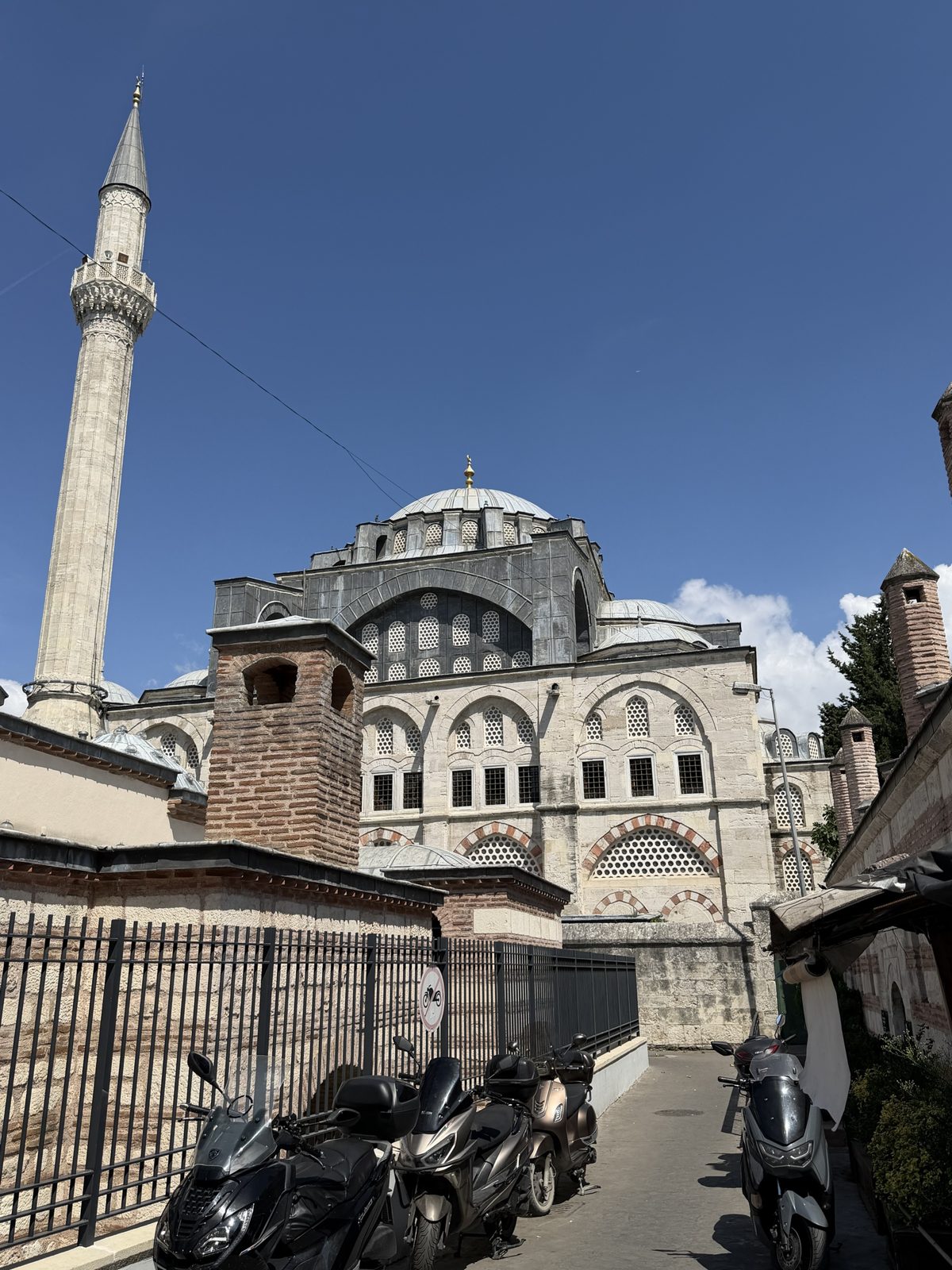
For a quieter example in Istanbul, stop by the Kılıç Ali Pasha Mosque (1580) in Tophane. Sinan built it for Kılıç Ali Pasha, admiral of the Ottoman fleet.